Recap of Sony’s Announcement
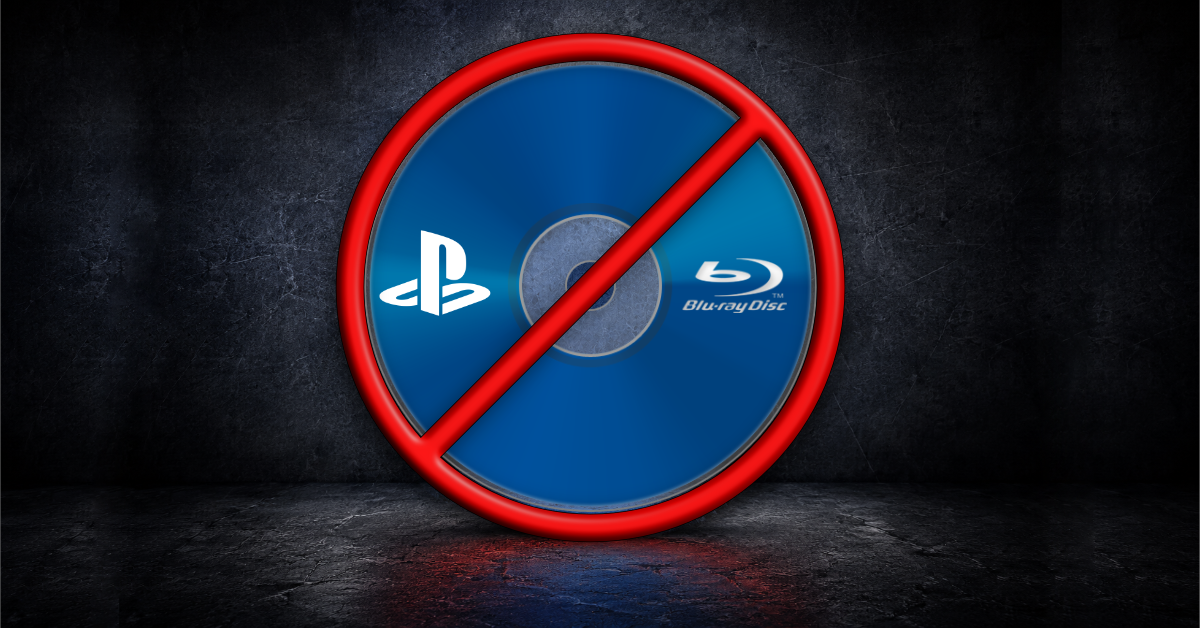
On July 1, 2026, Sony made the announcement that they would stop their production of physical video games in January of 2028. Despite the writing being on the wall with this being the direction the gaming industry would go, many players are still shocked by the decision and how early it has already come.
With this announcement, Sony is claiming that their consumers greatly prefer digital media over physical discs. Despite them stopping physical video game production, they do state their games will still be sold at retailers in some sort of form.
The History of Physical Video Games and Their Importance
Physical games have been the industry norm ever since the earliest days of video games. Back then, systems like the Atari 2600 used interchangeable cartridges, which allowed the system to play a variety of games.
The great thing about this system was that as long as you had a cartridge and a system that could play it, you could enjoy the game. Meaning even if you had friends who owned the same systems, you could share or even trade cartridges and try to enjoy a variety of different games without having to spend a single extra dollar.
Despite physical video games having many changes over the years, like switching from cartridges to discs and from coming in cardboard boxes to plastic cases, the system always remained the same. As long as you had a physical game, it could be played on any system that could read the game.
Then came the seventh generation of video game consoles. This generation popularized the concept of digital media for video games. Starting with Xbox Live Arcade, which offered a variety of indie games from smaller publishers that could be purchased directly through the console. This system offered the ability for games to be directly downloaded onto the system, requiring no discs at all.
The ease of use and convenience of digital video games made this new system spread quickly. With this, other console publishers like Sony and Nintendo would soon follow. The ability to buy video games from one’s home became widely accessible and an alternative to the physical video game.
Over the years, the popularity of digital games would skyrocket to the point where, according to Sony themselves, a majority of the player base prefers digital games over physical ones.
The Problem with Digital Video Games
There are definitely some pros to digital games, but with them there’s also one massive con, being the fact that when you purchase them you don’t actually own them. Unlike physical video games, with digital video games you are essentially purchasing a digital license which allows you to play the game but is completely revocable. Meaning at any point the publisher can revoke your license and take away the game you paid for. This is the opposite of how physical video games work, where basically, with physical games, as long as you have the game, you keep it as long as the disc works.
Most players either completely brush off this downside or lack the knowledge to know it’s even a problem to begin with. This is a problem that shouldn’t be ignored.
The main reason most players are blind to this issue is because of the fact that this policy hasn’t been strongly enforced at all. But just as recently as this year, Sony has shown their willingness to take away digital licenses.
Earlier in 2026, many users who have purchased digital movies through PlayStation got emails saying they were going to lose access to the movies they paid for with no sort of compensation in sight. This becomes increasingly worrisome when you realize this is the same company that just announced they were going to stop making physical games completely.
PlayStation has already shown their willingness to take away digital licenses people paid for, so who’s to say video games aren’t next?
The idea of taking away digital games is not something new. Nor is it an idea only involving Sony. In 2024, in an article published by IGN, Philippe Tremblay, the director of subscriptions at Ubisoft, made an infamous statement claiming that players should feel comfortable not owning the games they buy.
To this date, that statement is one of the most polarizing statements made in regard to physical video games, as it shows these studios know about being able to revoke digital licenses and they want players to just accept that as a norm.
In March of 2024, Ubisoft shut down servers for their online game The Crew, essentially making the game unplayable. This topic starts to bring in the “Stop Killing Games” argument. But for this article, I want to focus on the idea that they basically took away a game people paid for by shutting down their servers.
This problem affects both the physical and digital versions of the game, but at the same time it still shows Ubisoft’s willingness to take away games people have already paid for. Then pair that with the statement made by their Director of Subscriptions, it shows Ubisoft is really pushing this dangerous idea of wanting their players to be comfortable not owning the games they buy.
How This Could Lead to a Potential Monopoly
With that, losing digital licenses isn’t the only way this change can negatively affect consumers. The decisions Sony is making are leading them scarily close to having a monopoly over their digital storefront.
With the way the current physical video game system works, there are many ways to get discounted games outside of just promotions coming from Sony. Retailers are allowed to discount games, giving direct competition to publishers and better deals for consumers.
For example, FromSoft’s Dark Souls 3 can currently be purchased physically through Amazon for around $20 – $25 (all mentioned prices are in USD and were checked on 7/29/26). This edition of the game comes with the season pass and the entire base game. Now, if you wanted to purchase the game digitally through Sony’s PlayStation Store, the game will cost you a full $60, and that’s without the DLC. With the DLC included, it costs $85. So purchasing the game physically through Amazon would save the consumer around $60 (for the version that comes with the base game and DLC).
With Sony getting rid of physical games, this entire system would cease to exist. So, hypothetically speaking, if Sony stopped making physical discs before Dark Souls 3 came out, the deal on Amazon could cease to exist, and players would be stuck paying the $85 for the game.
The ability to buy used games for a discounted price on sites like eBay and Facebook Marketplace will also cease to exist.
It is important to note that in Sony’s statement, they mention digital games will be available to purchase through retailers, but in what form we don’t know yet. As of now, we can only speculate, but at first they will probably release games similar to how the upcoming game GTA 6 is releasing, where you get an actual physical case for the game but there’s no disc in the case and only a digital download code. Later down the line, I can see them completely getting rid of this system and just putting digital codes on gift cards.
As of now, this decision won’t lead to Sony having a monopoly, but it’s still a very dangerous step towards that reality.
Why Now More than Ever is an Important Time to Support Physical Video Games
Now is the most important time to ever show support towards physical video games. In a time where physical games are extremely close to becoming a relic of the past, gamers need to show these companies they still want physical games.
If we let physical games die, that would be a detrimental loss towards consumer rights. Though the future may seem bleak, it’s clear there are still millions of people out there who love and want to support physical video games.
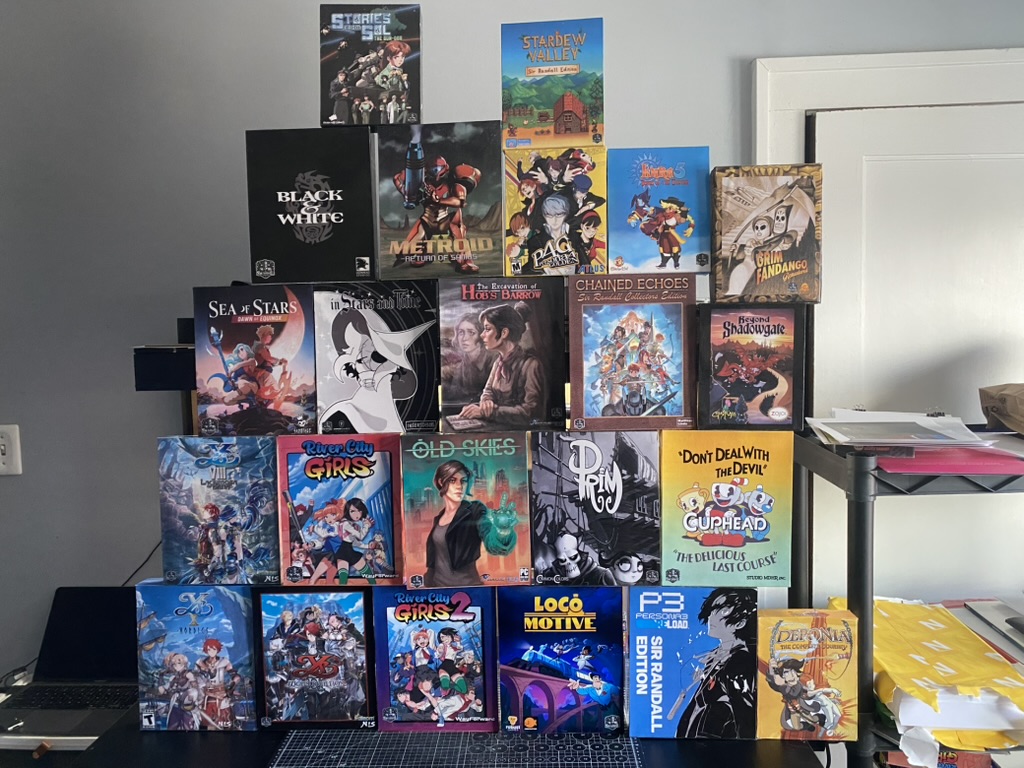
Companies like Fan Gamer, Limited Run Games, Premium Games, and Ye Old Press prove there’s still interest and love for physical video games. Ignoring their controversies that come with studios like Limited Run Games, they still show the love and passion people have towards physical video games.
If there’s one thing I hope readers get from this piece, it’s learning to understand the importance of physical video games and why now is the most important time in the history of the medium to support them.
Thanks to the Ye Old Press for giving me the opportunity to write this piece and upload it. I really do hope this piece is able to make a difference, even if it’s only one person who decides to think twice next time they consider getting a digital game.